
Die Edition FANAL
Führungsteam
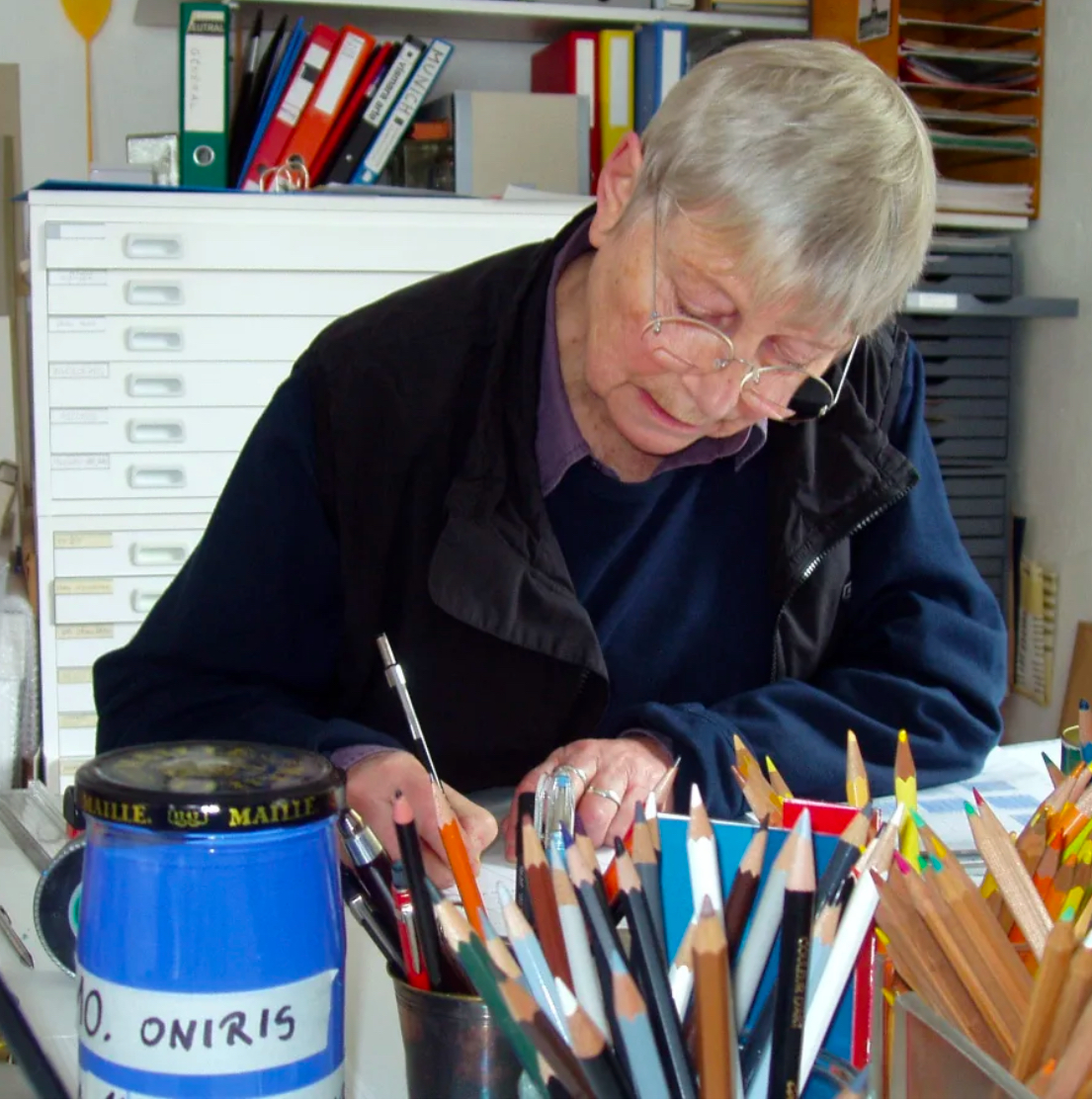
Marie-Thérèse Vacossin
Künstlerische Leitung

Danielle Harder
Administration und Edition
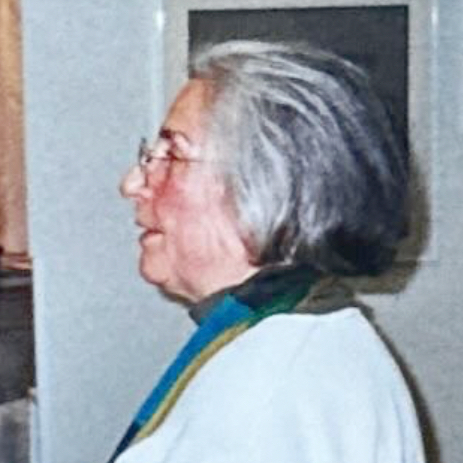
Liliane Beck
Mitarbeit und Unterricht
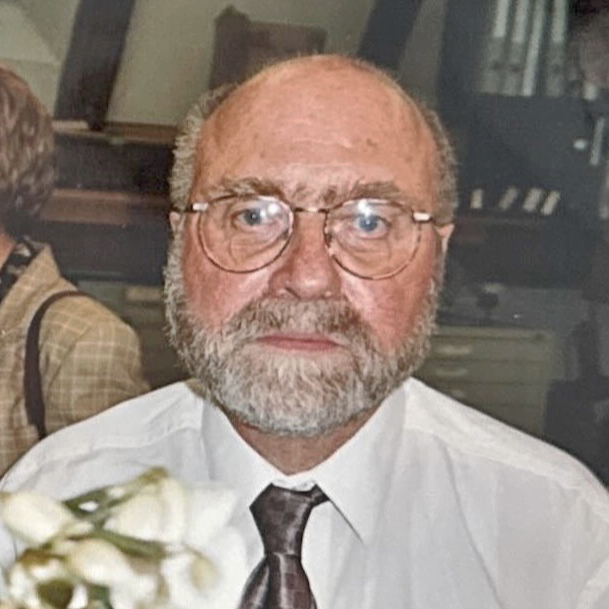
André Schweizer
Mitarbeit und Projekte
Der Richtungsgeber und prägende Künstlerpersönlichkeiten
Marie-Thérèse Vacossin erzählt in kurzen Erinnerungen von prägenden Begegnungen, die sowohl für die Edition als auch für sie selbst von Bedeutung waren. Es geht um Freundschaft, Zusammenarbeit und die Liebe zur Kunst.
Francesco Camponovo, nach Gesprächen mit Marie-Thérèse Vacossin
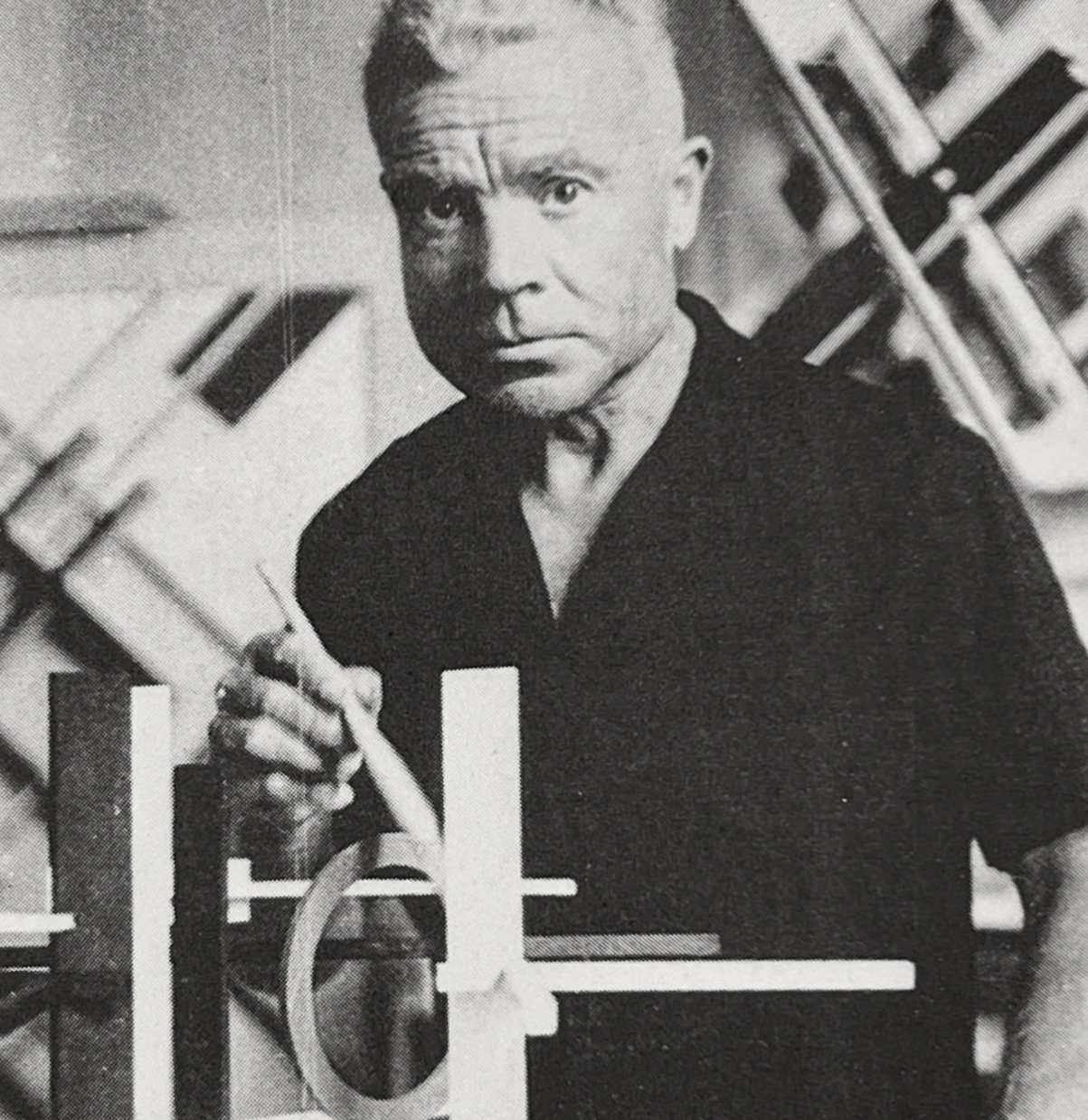 JEAN GORIN [1899 – 1981]
Nachdem mein Studienfreund Marcel Mazar, Mitbegründer von Fanal, das Angebot des Ateliers um die Lithografie erweitert hatte, fragte mich Simone Hopferwieser-Thomae, die in einer Basler Galerie tätig war, ob wir für Jean Gorin arbeiten würden. Ich kannte seine Werke nicht, doch es handelte sich um Lithografien – Quadrate, Rechtecke, Prägungen –, also etwas, das wir realisieren konnten. Wir sagten zu. Als Gorin ins Atelier kam, sah er eines meiner Bilder, das zufällig herumstand, und fragte: „Hast du das gemacht?“ Ein Jahr lang korrespondierten wir; er schickte mir Unterlagen und gab mir Ratschläge. Dieser Briefwechsel ist mir sehr kostbar – es war eine aussergewöhnliche Zeit. Danach veränderte sich alles. Ich verdanke Jean Gorin alles. Er war der erste Künstler, den Fanal edierte – mit dem Buch Ecrits et 3 sérigraphies – und der dem Atelier den entscheidenden Impuls für die Edition gab. Zugleich prägte er deren Ausrichtung auf die konstruktive Kunst. Ich war mit dieser Kunstrichtung völlig unvertraut – ich schäme mich fast, das zuzugeben.
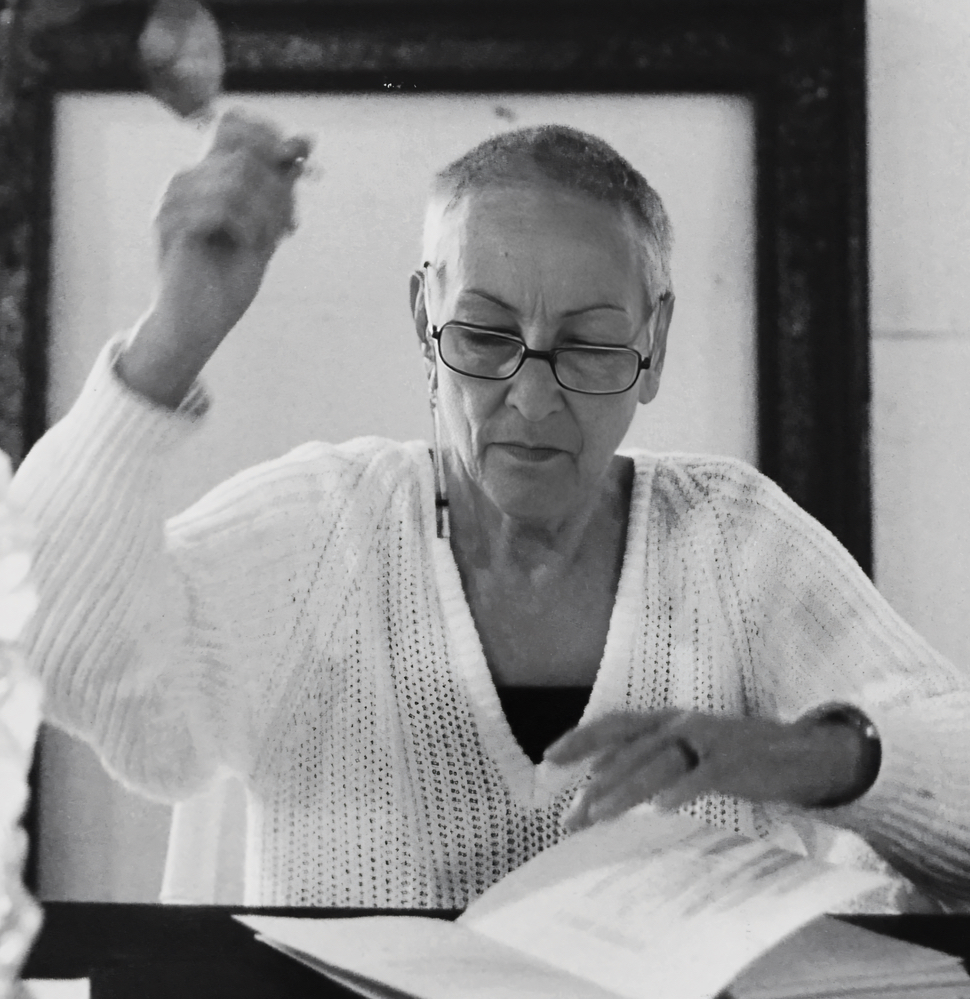 MERET OPPENHEIM [1913 – 1985]
Ich erinnere mich noch gut an meine erste Begegnung mit Meret Oppenheim. Sie wollte Radierungen anfertigen, da ihr Graveur in den Ferien war. Ich sah mir ihre Entwürfe an – zunächst schienen sie schlicht, doch bald erkannte ich die präzise, bis ins kleinste Detail durchdachte Setzung jeder Linie. Damals führten wir im Atelier Fanal noch Auftragsarbeiten für andere Künstlerinnen und Künstler aus. Nach der Gründung der Edition für konstruktive Kunst blieb Meret Oppenheim die einzige Künstlerin ausserhalb dieser Kunstrichtung, die wir weiterhin edierten. Zwischen uns entstand eine langjährige Freundschaft und gegenseitige Wertschätzung. Aus unserer Zusammenarbeit gingen die Künstlerbücher Sansibar (1981) und Caroline (1985) hervor. Für Caroline organisierten wir am 15. November 1985 eine Vernissage; für diesen Anlass mieteten wir den Sousol der Galerie Hilt. Am Vortag signierte Meret Oppenheim noch einige Abzüge. In den frühen Morgenstunden vor der Ausstellungseröffnung verstarb sie unerwartet. Caroline wurde später als eines der schönsten Schweizer Bücher des Jahres 1985 ausgezeichnet.
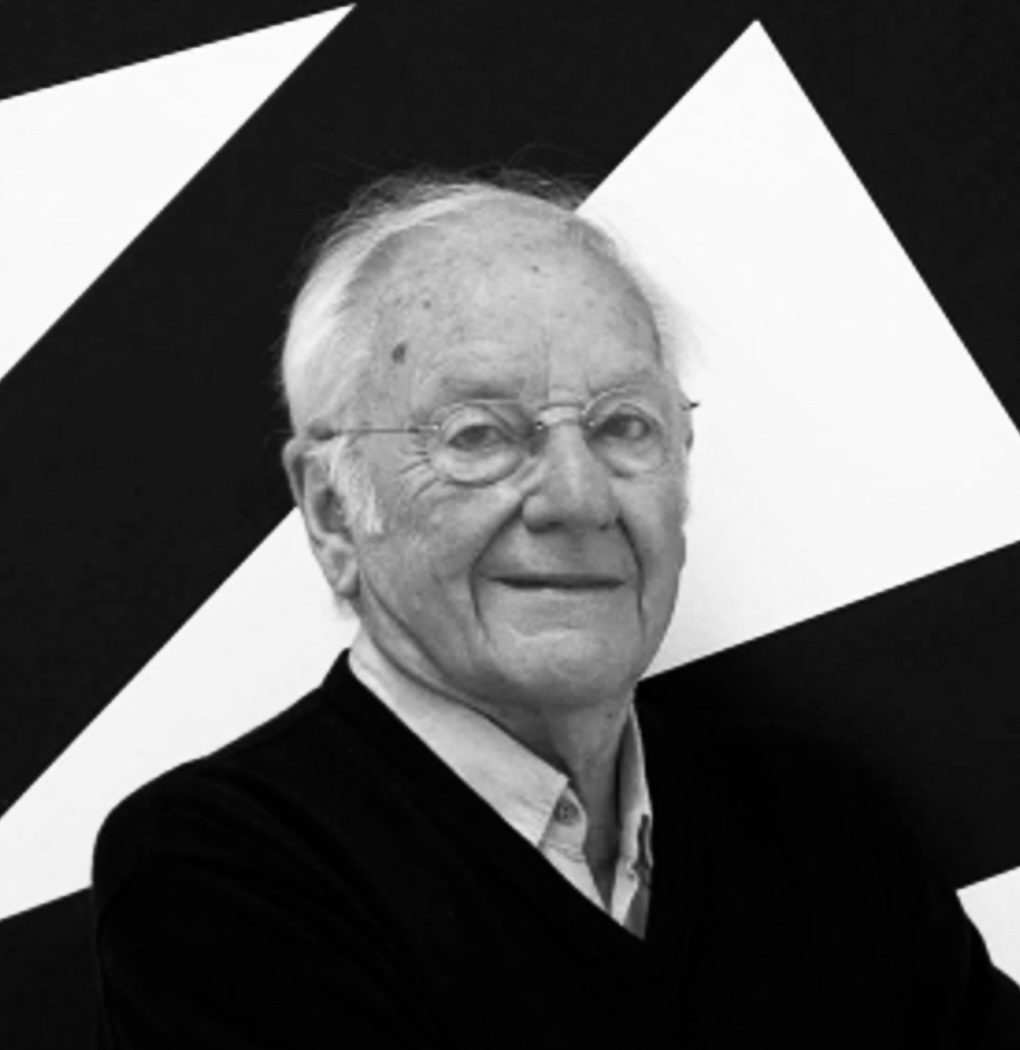 FRANÇOIS MORELLET [1926 – 2016]
Als ich Gorin das Buch brachte, das wir für ihn ediert hatten, fielen mir auf seinem Tisch Arbeiten von Morellet auf. Spontan fragte ich: „Sie kennen Morellet?“ – und er antwortete: „Er ist wie mein Sohn!“ Am nächsten Tag waren wir bei François Morellet und seiner Frau – empfangen wie Freunde. Bereits bei dieser ersten Begegnung entstand die Idee, gemeinsam ein Buch zu realisieren: Sur la fragmentation, la gravure et l’art de ne rien dire (1980), ein Projekt ganz im Sinne von Morellets spielerischem Umgang mit Systemen und Zufall. Es wurde zu einem der bedeutendsten und schönsten Werke, die wir mit ihm verwirklichten. Morellet war ein Avantgarde-Künstler. Seine Kunst ist visuell, geometrisch und konstruktiv, basierend auf einfachen Systemen; in seinen späten Arbeiten wird er jedoch durch die Einbeziehung von Licht und organischen Elementen überraschend, manchmal absurd oder provokativ – aber immer von Humor geprägt. Unter Einsatz damals neuer Materialien, wie eigens geformter Neonröhren, erschuf Morellet eine räumliche Vision, die bis dahin beispiellos und spektakulär war.
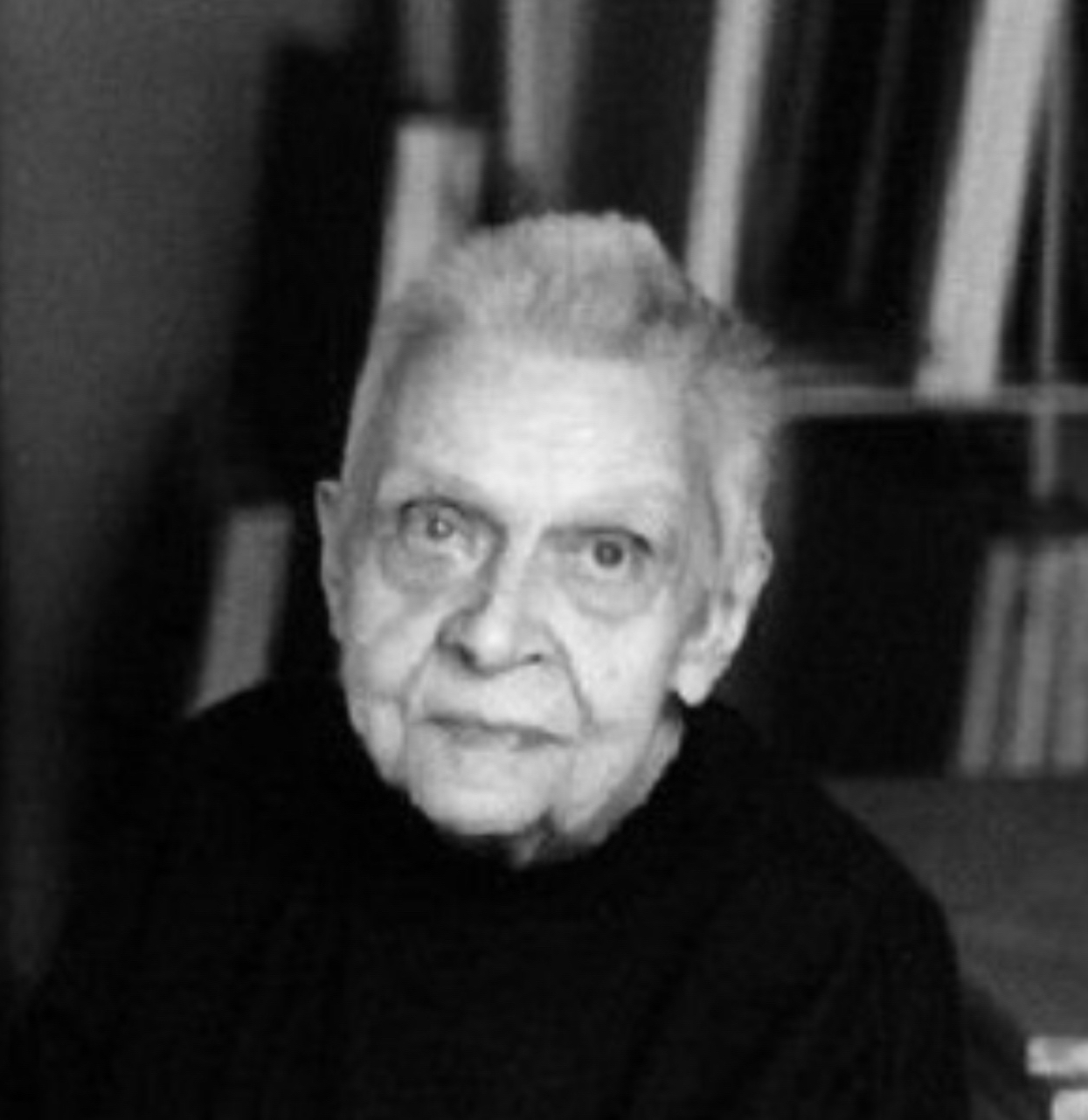 AURÉLIE NEMOURS [1910 – 2005]
Bei einem Besuch in einer Galerie auf der Rive Gauche in Paris im Jahr 1982 fiel mir ein Werk aus der Serie Droites Roses von Aurélie Nemours besonders auf. Die Serie bestand aus neun Gouachen in jeweils fünf Farben, von denen vier in einer Rotation um die fünfte Farbe im Zentrum der Komposition angeordnet waren. Ich nahm daraufhin Kontakt mit der Künstlerin auf, um eine Serigrafie dieses Werkes anfertigen zu dürfen. Sie stimmte zu, unter der Bedingung, dass die komplette Serie noch vor Ende des Sommers fertiggestellt würde. Natürlich willigte ich ein und griff sofort zum Telefon, um Robert, meinem Mann, zu sagen, dass unsere Sommerferien gerade ins Wasser gefallen waren. Ein Satz von Aurélie Nemours, der mir für ihr gesamtes Werk passend scheint, kommt mir immer wieder in den Sinn: „Wenn die Malerei zu MALEREI wird, durchläuft sie eine Reinigung; es ist ein Akt des Glaubens. Eine andere Welt: diese Welt ist Erleuchtung. Für mich ist ihre Arbeit eine Meditation, ein Schweigen. Und dennoch – wie viele Abende haben wir damit verbracht, über Malerei zu sprechen und zu philosophieren!
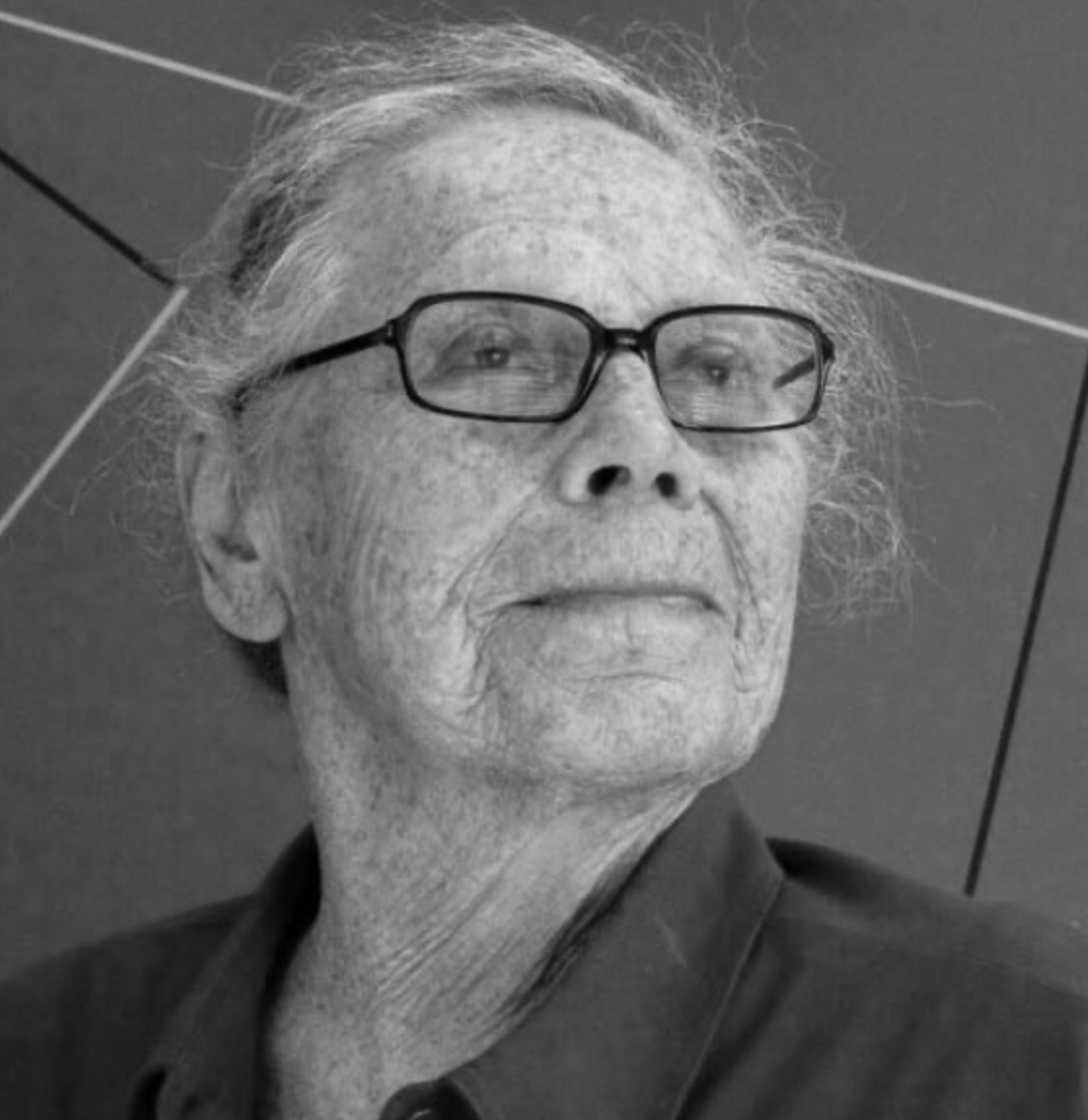 VERA MOLNAR [1924 – 2023]
Eine Begegnung, ein Blitzschlag.
Ein aussergewöhnliches Werk, das aus einer systematischen Erforschung entstanden ist und bereits in den frühen Jahren computergestützt war. Vera Molnar gilt als Pionierin der computergenerierten Kunst.
Ihr Ansatz ist unmittelbar und frei von überflüssiger Rhetorik: Das Bild entsteht aus einem klaren, strengen Prozess. Ihre Werke bestehen aus Serien einfacher, präziser Formen, die auf das Wesentliche reduziert sind und eine radikale Reinheit ausstrahlen. Leichte Störungen der Ordnung bringen Bewegung und Rhythmus ins Spiel und öffnen das Feld für das Unvorhergesehene. Zwischen Regelmässigkeit und Variation entfaltet sich die Richtigkeit des Bildes. Ein offener Geist ohne Zwänge – im Einklang mit der Haltung der Edition Fanal.
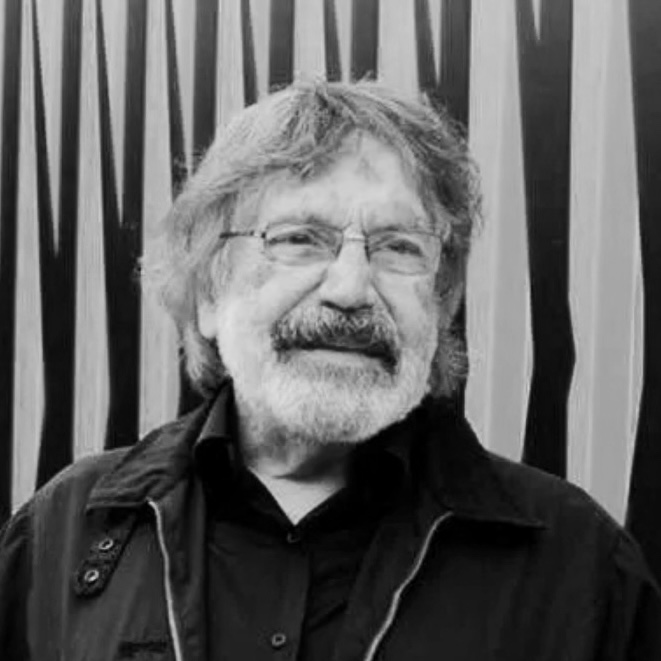 CARLOS CRUZ-DIEZ [1923 – 2019]
Obwohl chromatische Wechselwirkungen stets ein integraler Bestandteil meiner künstlerischen Arbeit waren, hielt die optische Kunst erst mit Carlos Cruz-Diez Einzug in die Edition Fanal. Die Juxtaposition speziell ausgewählter Farbtöne erzeugt optische Mischungen und Schwingungen im Auge des Betrachters. Zunächst in der Siebdrucktechnik auf Papier, erweiterten später dreidimensionale Träger die Möglichkeiten, und Multiples bereicherten das Repertoire der Edition. Im Jahr 2003 überraschten und begeisterten während einer Ausstellung im Espace Fanal projizierte Bündel farbigen Lichts die Besucher. Cruz-Diez, Pionier der kinetischen Kunst seit den ’60er Jahren, hat massgeblich zur Entwicklung der Lumino-Kinetik beigetragen, die heute dank fortschrittlicher Technologien spektakuläre Wirkungen hervorbringt.
Die Edition FANAL
Führungsteam
Marie-Thérèse Vacossin
Künstlerische Leitung
Danielle Harder
Administration und Edition
Liliane Beck
Mitarbeit und Unterricht
André Schweizer
Mitarbeit und Projekte
Der Richtungsgeber und prägende Künstlerpersönlichkeiten
Marie-Thérèse Vacossin erzählt in kurzen Erinnerungen von prägenden Begegnungen, die sowohl für die Edition als auch für sie selbst von Bedeutung waren. Es geht um Freundschaft, Zusammenarbeit und die Liebe zur Kunst.
Francesco Camponovo, nach Gesprächen mit Marie-Thérèse Vacossin
 JEAN GORIN [1899 – 1981]
Nachdem mein Studienfreund Marcel Mazar, Mitbegründer von Fanal, das Angebot des Ateliers um die Lithografie erweitert hatte, fragte mich Simone Hopferwieser-Thomae, die in einer Basler Galerie tätig war, ob wir für Jean Gorin arbeiten würden. Ich kannte seine Werke nicht, doch es handelte sich um Lithografien – Quadrate, Rechtecke, Prägungen –, also etwas, das wir realisieren konnten. Wir sagten zu. Als Gorin ins Atelier kam, sah er eines meiner Bilder, das zufällig herumstand, und fragte: „Hast du das gemacht?“ Ein Jahr lang korrespondierten wir; er schickte mir Unterlagen und gab mir Ratschläge. Dieser Briefwechsel ist mir sehr kostbar – es war eine aussergewöhnliche Zeit. Danach veränderte sich alles. Ich verdanke Jean Gorin alles. Er war der erste Künstler, den Fanal edierte – mit dem Buch Ecrits et 3 sérigraphies – und der dem Atelier den entscheidenden Impuls für die Edition gab. Zugleich prägte er deren Ausrichtung auf die konstruktive Kunst. Ich war mit dieser Kunstrichtung völlig unvertraut – ich schäme mich fast, das zuzugeben.
 MERET OPPENHEIM [1913 – 1985]
Ich erinnere mich noch gut an meine erste Begegnung mit Meret Oppenheim. Sie wollte Radierungen anfertigen, da ihr Graveur in den Ferien war. Ich sah mir ihre Entwürfe an – zunächst schienen sie schlicht, doch bald erkannte ich die präzise, bis ins kleinste Detail durchdachte Setzung jeder Linie. Damals führten wir im Atelier Fanal noch Auftragsarbeiten für andere Künstlerinnen und Künstler aus. Nach der Gründung der Edition für konstruktive Kunst blieb Meret Oppenheim die einzige Künstlerin ausserhalb dieser Kunstrichtung, die wir weiterhin edierten. Zwischen uns entstand eine langjährige Freundschaft und gegenseitige Wertschätzung. Aus unserer Zusammenarbeit gingen die Künstlerbücher Sansibar (1981) und Caroline (1985) hervor. Für Caroline organisierten wir am 15. November 1985 eine Vernissage; für diesen Anlass mieteten wir den Sousol der Galerie Hilt. Am Vortag signierte Meret Oppenheim noch einige Abzüge. In den frühen Morgenstunden vor der Ausstellungseröffnung verstarb sie unerwartet. Caroline wurde später als eines der schönsten Schweizer Bücher des Jahres 1985 ausgezeichnet.
 FRANÇOIS MORELLET [1926 – 2016]
Als ich Gorin das Buch brachte, das wir für ihn ediert hatten, fielen mir auf seinem Tisch Arbeiten von Morellet auf. Spontan fragte ich: „Sie kennen Morellet?“ – und er antwortete: „Er ist wie mein Sohn!“ Am nächsten Tag waren wir bei François Morellet und seiner Frau – empfangen wie Freunde. Bereits bei dieser ersten Begegnung entstand die Idee, gemeinsam ein Buch zu realisieren: Sur la fragmentation, la gravure et l’art de ne rien dire (1980), ein Projekt ganz im Sinne von Morellets spielerischem Umgang mit Systemen und Zufall. Es wurde zu einem der bedeutendsten und schönsten Werke, die wir mit ihm verwirklichten. Morellet war ein Avantgarde-Künstler. Seine Kunst ist visuell, geometrisch und konstruktiv, basierend auf einfachen Systemen; in seinen späten Arbeiten wird er jedoch durch die Einbeziehung von Licht und organischen Elementen überraschend, manchmal absurd oder provokativ – aber immer von Humor geprägt. Unter Einsatz damals neuer Materialien, wie eigens geformter Neonröhren, erschuf Morellet eine räumliche Vision, die bis dahin beispiellos und spektakulär war.
AURÉLIE NEMOURS [1910 – 2005]
Bei einem Besuch in einer Galerie auf der Rive Gauche in Paris im Jahr 1982 fiel mir ein Werk aus der Serie Droites Roses von Aurélie Nemours besonders auf. Die Serie bestand aus neun Gouachen in jeweils fünf Farben, von denen vier in einer Rotation um die fünfte Farbe im Zentrum der Komposition angeordnet waren. Ich nahm daraufhin Kontakt mit der Künstlerin auf, um eine Serigrafie dieses Werkes anfertigen zu dürfen. Sie stimmte zu, unter der Bedingung, dass die komplette Serie noch vor Ende des Sommers fertiggestellt würde. Natürlich willigte ich ein und griff sofort zum Telefon, um Robert, meinem Mann, zu sagen, dass unsere Sommerferien gerade ins Wasser gefallen waren. Ein Satz von Aurélie Nemours, der mir für ihr gesamtes Werk passend scheint, kommt mir immer wieder in den Sinn: „Wenn die Malerei zu MALEREI wird, durchläuft sie eine Reinigung; es ist ein Akt des Glaubens. Eine andere Welt: diese Welt ist Erleuchtung. Für mich ist ihre Arbeit eine Meditation, ein Schweigen. Und dennoch – wie viele Abende haben wir damit verbracht, über Malerei zu sprechen und zu philosophieren!
VERA MOLNAR [1924 – 2023]
Eine Begegnung, ein Blitzschlag.
Ein aussergewöhnliches Werk, das aus einer systematischen Erforschung entstanden ist und bereits in den frühen Jahren computergestützt war. Vera Molnar gilt als Pionierin der computergenerierten Kunst.
Ihr Ansatz ist unmittelbar und frei von überflüssiger Rhetorik: Das Bild entsteht aus einem klaren, strengen Prozess. Ihre Werke bestehen aus Serien einfacher, präziser Formen, die auf das Wesentliche reduziert sind und eine radikale Reinheit ausstrahlen. Leichte Störungen der Ordnung bringen Bewegung und Rhythmus ins Spiel und öffnen das Feld für das Unvorhergesehene. Zwischen Regelmässigkeit und Variation entfaltet sich die Richtigkeit des Bildes. Ein offener Geist ohne Zwänge – im Einklang mit der Haltung der Edition Fanal.
CARLOS CRUZ-DIEZ [1923 – 2019]
Obwohl chromatische Wechselwirkungen stets ein integraler Bestandteil meiner künstlerischen Arbeit waren, hielt die optische Kunst erst mit Carlos Cruz-Diez Einzug in die Edition Fanal. Die Juxtaposition speziell ausgewählter Farbtöne erzeugt optische Mischungen und Schwingungen im Auge des Betrachters. Zunächst in der Siebdrucktechnik auf Papier, erweiterten später dreidimensionale Träger die Möglichkeiten, und Multiples bereicherten das Repertoire der Edition. Im Jahr 2003 überraschten und begeisterten während einer Ausstellung im Espace Fanal projizierte Bündel farbigen Lichts die Besucher. Cruz-Diez, Pionier der kinetischen Kunst seit den ’60er Jahren, hat massgeblich zur Entwicklung der Lumino-Kinetik beigetragen, die heute dank fortschrittlicher Technologien spektakuläre Wirkungen hervorbringt.
Les Editions FANAL
Equipe dirigeante
Marie-Thérèse Vacossin
Direction artistique
Danielle Harder
Administration et edition
Liliane Beck
Collaboration et enseignement
André Schweizer
Collaboration et projets
La figure guide et les personnalités artistiques marquantes
Marie-Thérèse Vacossin évoque, à travers de courts souvenirs, des rencontres déterminantes qui ont compté autant pour les Editions que pour elle-même. Il est question d’amitié, de collaboration et d’amour de l’art.
Francesco Camponovo, d’après des entretiens avec Marie-Thérèse Vacossin
JEAN GORIN [1899 – 1981]
Après que Marcel Mazar, cofondateur de Fanal et compagnon d’études, eut élargi l’offre de l’atelier à la lithographie, Simone Hopferwieser-Thomae, alors active dans une galerie bâloise, me demanda si nous accepterions de travailler pour Jean Gorin. Je ne connaissais pas son œuvre, mais il s’agissait de lithographies (carrés, rectangles, gaufrages) que nous pouvions réaliser. Nous avons accepté. Lorsque Gorin vint à l’atelier, il aperçut l’un de mes tableaux posé là par hasard et me demanda : « Est-ce vous qui avez fait cela ? » Pendant un an, nous avons correspondu ; il m’envoyait des documents et me prodiguait des conseils. Cette correspondance m’est très précieuse ; ce fut une période exceptionnelle. Ensuite, tout a changé. Je dois tout à Jean Gorin. Il a été le premier artiste édité par Fanal, avec le livre d‘artiste Écrits et trois sérigraphies, et il a donné à l’atelier l’impulsion décisive pour se lancer dans l’édition. Il a également orienté la ligne éditoriale vers l’art construit. J’étais alors totalement étrangère à cette tendance — j’en éprouve presque de la honte.
MERET OPPENHEIM [1913 – 1985]
Je me souviens très bien de ma première rencontre avec Meret Oppenheim. Elle souhaitait réaliser des eaux-fortes, son graveur étant en vacances. J’ai regardé ses projets : au premier abord, ils semblaient simples, mais j’ai vite remarqué la précision avec laquelle chaque ligne était tracée, pensée dans les moindres détails. À cette époque, l’atelier Fanal exécutait encore des travaux de commande pour d’autres artistes. Après la création des Editions consacrées à l’art construit, Meret Oppenheim resta la seule artiste extérieure à ce courant que nous avons continué à éditer. Une amitié durable et une estime réciproque sont nées entre nous. De cette collaboration sont issus les livres d’artiste Sansibar (1981) et Caroline (1985). Pour Caroline, nous avons organisé un vernissage le 15 novembre 1985 au sous-sol de la Galerie Hilt à Bâle. La veille, Meret Oppenheim signait encore quelques épreuves. Elle s’éteignit de manière inattendue aux premières heures du matin, avant l’ouverture de l’exposition. Caroline fut ensuite distingué comme l’un des plus beaux livres suisses de 1985.
FRANÇOIS MORELLET [1926 – 2016]
Lorsque j’apportai à Gorin le livre que nous avions édité pour lui, je remarquai sur sa table des travaux de Morellet. Je lui demandai spontanément : « Vous connaissez Morellet ? » – « Il est comme mon fils ! », répondit-il. Le lendemain, nous étions chez François Morellet et son épouse – accueillis comme des amis. Dès cette première rencontre naquit l’idée de réaliser un livre ensemble : Sur la fragmentation, la gravure et l’art de ne rien dire (1980), un projet qui s’inscrit parfaitement dans l’esprit ludique avec lequel Morellet aborde les systèmes et le hasard. Ce livre devint l’une des œuvres les plus importantes et les plus belles que nous avons réalisées avec lui. Morellet était un artiste d’avant-garde. Son art est visuel, géométrique et construit, fondé sur des systèmes simples ; dans ses œuvres tardives, cependant, l’intégration de la lumière et d’éléments organiques le rend surprenant, parfois absurde ou provocateur – mais toujours empreint d’humour. Grâce à des matériaux alors inédits, comme des tubes néon spécialement façonnés, il a créé une vision spatiale inédite et spectaculaire.
AURÉLIE NEMOURS [1910 – 2005]
En 1982, lors d’une visite dans une galerie de la rive gauche à Paris, une œuvre de la série Droites Roses d’Aurélie Nemours a particulièrement attiré mon attention. Cette série se composait de neuf gouaches de cinq couleurs différentes, dont quatre étaient disposées en rotation autour de la cinquième couleur, au centre de la composition. J’ai alors contacté l’artiste pour obtenir l’autorisation de réaliser une sérigraphie de cette œuvre. Elle a donné son accord, mais à une condition : que la série complète soit terminée avant la fin de l’été. J’ai bien sûr accepté et j’ai immédiatement pris le téléphone pour dire à Robert, mon mari, que nos vacances d’été venaient de tomber à l’eau. Une phrase d’Aurélie Nemours qui me semble rendre compte de l’ensemble de son œuvre me revient sans cesse à l’esprit : « Quand la peinture devient PEINTURE , elle passe par une purification ; c’est un acte de foi. Un autre monde : ce monde là est illumination. » Pour moi, son travail est une méditation, un silence. Et pourtant, combien de soirées avons-nous passées à parler et à philosopher sur la peinture!
VERA MOLNAR [1924 – 2023]
Une rencontre, un coup de foudre.
Une œuvre exceptionnelle, fruit d’une recherche systématique qui s’appuyait déjà sur l’informatique dès ses débuts. Vera Molnar est considérée comme une pionnière de l’art généré par ordinateur. Son approche est directe et dépourvue de toute rhétorique superflue : l’image naît d’un processus clair et rigoureux. Ses œuvres se composent de séries d’éléments plastiques simples, clairs, d’une pureté radicale. De légères perturbations de l’ordre introduisent mouvement et rythme et ouvrent le champ à l’imprévu. Entre régularité et variation se déploie la justesse de l’image. Un esprit ouvert, sans contraintes – en accord avec la position des Editions Fanal.
CARLOS CRUZ-DIEZ [1923 – 2019]
Bien que les interactions chromatiques aient toujours fait partie intégrante de mon travail artistique, ce n’est qu’avec Carlos Cruz-Diez que l’art optique a fait son apparition aux Éditions Fanal. La juxtaposition de tons de couleur soigneusement sélectionnés engendre des mélanges optiques et des vibrations dans l’œil du spectateur. Initialement dans la sérigraphie sur papier, puis les supports tridimensionnels ont élargi les possibilités, et les multiples ont enrichi le répertoire des Éditions. En 2003, lors d’une exposition à l’Espace Fanal, des faisceaux de lumière colorée projetés ont surpris et enthousiasmé les visiteurs. Pionnier de l’art cinétique depuis les années 1960, Cruz-Diez a contribué de manière déterminante au développement de la lumino-cinétique, qui déploie aujourd’hui des effets spectaculaires grâce aux technologies de pointe. Un chromatisme énergique qui engage directement le spectateur. Une œuvre envoûtante, d’une richesse inépuisable en découvertes et en sensations.
Les Editions FANAL
Equipe dirigeante
Marie-Thérèse Vacossin
Direction artistique
Danielle Harder
Administration et edition
Liliane Beck
Collaboration et enseignement
André Schweizer
Collaboration et projets
La figure guide et les personnalités artistiques marquantes
Marie-Thérèse Vacossin évoque, à travers de courts souvenirs, des rencontres déterminantes qui ont compté autant pour les Editions que pour elle-même. Il est question d’amitié, de collaboration et d’amour de l’art.
Francesco Camponovo, d’après des entretiens avec Marie-Thérèse Vacossin
JEAN GORIN [1899 – 1981]
Après que Marcel Mazar, cofondateur de Fanal et compagnon d’études, eut élargi l’offre de l’atelier à la lithographie, Simone Hopferwieser-Thomae, alors active dans une galerie bâloise, me demanda si nous accepterions de travailler pour Jean Gorin. Je ne connaissais pas son œuvre, mais il s’agissait de lithographies (carrés, rectangles, gaufrages) que nous pouvions réaliser. Nous avons accepté. Lorsque Gorin vint à l’atelier, il aperçut l’un de mes tableaux posé là par hasard et me demanda : « Est-ce vous qui avez fait cela ? » Pendant un an, nous avons correspondu ; il m’envoyait des documents et me prodiguait des conseils. Cette correspondance m’est très précieuse ; ce fut une période exceptionnelle. Ensuite, tout a changé. Je dois tout à Jean Gorin. Il a été le premier artiste édité par Fanal, avec le livre d‘artiste Écrits et trois sérigraphies, et il a donné à l’atelier l’impulsion décisive pour se lancer dans l’édition. Il a également orienté la ligne éditoriale vers l’art construit. J’étais alors totalement étrangère à cette tendance — j’en éprouve presque de la honte.
MERET OPPENHEIM [1913 – 1985]
Je me souviens très bien de ma première rencontre avec Meret Oppenheim. Elle souhaitait réaliser des eaux-fortes, son graveur étant en vacances. J’ai regardé ses projets : au premier abord, ils semblaient simples, mais j’ai vite remarqué la précision avec laquelle chaque ligne était tracée, pensée dans les moindres détails. À cette époque, l’atelier Fanal exécutait encore des travaux de commande pour d’autres artistes. Après la création des Editions consacrées à l’art construit, Meret Oppenheim resta la seule artiste extérieure à ce courant que nous avons continué à éditer. Une amitié durable et une estime réciproque sont nées entre nous. De cette collaboration sont issus les livres d’artiste Sansibar (1981) et Caroline (1985). Pour Caroline, nous avons organisé un vernissage le 15 novembre 1985 au sous-sol de la Galerie Hilt à Bâle. La veille, Meret Oppenheim signait encore quelques épreuves. Elle s’éteignit de manière inattendue aux premières heures du matin, avant l’ouverture de l’exposition. Caroline fut ensuite distingué comme l’un des plus beaux livres suisses de 1985.
FRANÇOIS MORELLET [1926 – 2016]
Lorsque j’apportai à Gorin le livre que nous avions édité pour lui, je remarquai sur sa table des travaux de Morellet. Je lui demandai spontanément : « Vous connaissez Morellet ? » – « Il est comme mon fils ! », répondit-il. Le lendemain, nous étions chez François Morellet et son épouse – accueillis comme des amis. Dès cette première rencontre naquit l’idée de réaliser un livre ensemble : Sur la fragmentation, la gravure et l’art de ne rien dire (1980), un projet qui s’inscrit parfaitement dans l’esprit ludique avec lequel Morellet aborde les systèmes et le hasard. Ce livre devint l’une des œuvres les plus importantes et les plus belles que nous avons réalisées avec lui. Morellet était un artiste d’avant-garde. Son art est visuel, géométrique et construit, fondé sur des systèmes simples ; dans ses œuvres tardives, cependant, l’intégration de la lumière et d’éléments organiques le rend surprenant, parfois absurde ou provocateur – mais toujours empreint d’humour. Grâce à des matériaux alors inédits, comme des tubes néon spécialement façonnés, il a créé une vision spatiale inédite et spectaculaire.
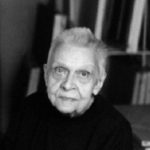 AURÉLIE NEMOURS [1910 – 2005]
En 1982, lors d’une visite dans une galerie de la rive gauche à Paris, une œuvre de la série Droites Roses d’Aurélie Nemours a particulièrement attiré mon attention. Cette série se composait de neuf gouaches de cinq couleurs différentes, dont quatre étaient disposées en rotation autour de la cinquième couleur, au centre de la composition. J’ai alors contacté l’artiste pour obtenir l’autorisation de réaliser une sérigraphie de cette œuvre. Elle a donné son accord, mais à une condition : que la série complète soit terminée avant la fin de l’été. J’ai bien sûr accepté et j’ai immédiatement pris le téléphone pour dire à Robert, mon mari, que nos vacances d’été venaient de tomber à l’eau. Une phrase d’Aurélie Nemours qui me semble rendre compte de l’ensemble de son œuvre me revient sans cesse à l’esprit : « Quand la peinture devient PEINTURE , elle passe par une purification ; c’est un acte de foi. Un autre monde : ce monde là est illumination. » Pour moi, son travail est une méditation, un silence. Et pourtant, combien de soirées avons-nous passées à parler et à philosopher sur la peinture!
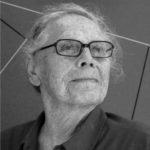 VERA MOLNAR [1924 – 2023]
Une rencontre, un coup de foudre.
Une œuvre exceptionnelle, fruit d’une recherche systématique qui s’appuyait déjà sur l’informatique dès ses débuts. Vera Molnar est considérée comme une pionnière de l’art généré par ordinateur. Son approche est directe et dépourvue de toute rhétorique superflue : l’image naît d’un processus clair et rigoureux. Ses œuvres se composent de séries d’éléments plastiques simples, clairs, d’une pureté radicale. De légères perturbations de l’ordre introduisent mouvement et rythme et ouvrent le champ à l’imprévu. Entre régularité et variation se déploie la justesse de l’image. Un esprit ouvert, sans contraintes – en accord avec la position des Editions Fanal.
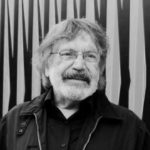 CARLOS CRUZ-DIEZ [1923 – 2019]
Bien que les interactions chromatiques aient toujours fait partie intégrante de mon travail artistique, ce n’est qu’avec Carlos Cruz-Diez que l’art optique a fait son apparition aux Éditions Fanal. La juxtaposition de tons de couleur soigneusement sélectionnés engendre des mélanges optiques et des vibrations dans l’œil du spectateur. Initialement dans la sérigraphie sur papier, puis les supports tridimensionnels ont élargi les possibilités, et les multiples ont enrichi le répertoire des Éditions. En 2003, lors d’une exposition à l’Espace Fanal, des faisceaux de lumière colorée projetés ont surpris et enthousiasmé les visiteurs. Pionnier de l’art cinétique depuis les années 1960, Cruz-Diez a contribué de manière déterminante au développement de la lumino-cinétique, qui déploie aujourd’hui des effets spectaculaires grâce aux technologies de pointe. Un chromatisme énergique qui engage directement le spectateur. Une œuvre envoûtante, d’une richesse inépuisable en découvertes et en sensations.
L’ Edizione FANAL
Team dirigente
Marie-Thérèse Vacossin
Direzione artistica
Danielle Harder
Amministrazione e edizione
Liliane Beck
Collaborazione e insegnamento
André Schweizer
Collaborazione e progetti
La figura guida e le personalità artistiche di rilievo
Marie-Thérèse Vacossin racconta, attraverso brevi ricordi, incontri decisivi che hanno segnato sia l’Edizione sia il suo percorso personale. Si parla di amicizia, collaborazione e amore per l’arte.
Francesco Camponovo, da conversazioni con Marie-Thérèse Vacossin
JEAN GORIN [1899 – 1981]
Dopo che il mio compagno di studi Marcel Mazar e cofondatore di Fanal aveva ampliato l’offerta dell’atelier con la litografia, Simone Hopferwieser-Thomae, attiva in una galleria di Basilea, mi chiese se volessimo collaborare con Jean Gorin. Non conoscevo il suo lavoro, ma si trattava di litografie – quadrati, rettangoli, goffrature – quindi qualcosa che potevamo realizzare. Accettammo. Quando Gorin venne in atelier, vide uno dei miei quadri che per caso era lì in giro e mi chiese: «L’hai fatto tu?» Per un anno ci scrivemmo: mi inviava documenti e mi dava consigli. Questo scambio di lettere mi è molto caro – fu un periodo straordinario. Da allora tutto è cambiato. Devo tutto a Jean Gorin. È stato il primo artista che Fanal ha pubblicato, con il libro Ecrits et 3 sérigraphies. Inoltre Gorin ha dato allo studio l’impulso decisivo per l’editoria. Allo stesso tempo, ha influenzato l’orientamento di Fanal verso l’arte costruttiva. Non conoscevo affatto questa corrente artistica e mi vergogno quasi ad ammetterlo.
MERET OPPENHEIM [1913 – 1985]
Ricordo molto bene il mio primo incontro con Meret Oppenheim. Voleva realizzare delle acqueforti, ma il suo incisore era in vacanza. Studiai i suoi progetti: a prima vista sembravano semplici, ma ben presto riconobbi la precisione di ogni linea, studiata nei minimi dettagli. All’epoca l’atelier Fanal eseguiva ancora lavori su commissione per altri artisti. Dopo la fondazione dell’Edizione dedicata all’arte costruttiva, Meret Oppenheim rimase l’unica artista al di fuori di questacorrente che continuammo a pubblicare. Tra noi nacque un’amicizia duratura e una reciproca stima. Dalla nostra collaborazione nacquero i libri d’artista Sansibar (1981) e Caroline (1985). Per la presentazione di Caroline abbiamo organizzato un vernissage il 15 novembre 1985 nei sotterranei della Galerie Hilt di Basilea. Il giorno prima Meret Oppenheim firmava ancora alcune copie. Nelle prime ore del mattino, prima dell’inaugurazione della mostra, morì inaspettatamente. Caroline fu poi premiato come uno dei più bei libri svizzeri del 1985.
FRANÇOIS MORELLET [1926 – 2016]
Quando portai a Gorin il libro che avevamo pubblicato per lui, notai sul suo tavolo alcune opere di Morellet. Spontaneamente gli chiesi: «Conosce Morellet?» E lui rispose: «È come un figlio per me!» Il giorno seguente eravamo a casa di François Morellet e di sua moglie – accolti come amici. Già a questo primo incontro nacque l’idea di realizzare insieme un libro: Sur la fragmentation, la gravure et l’art de ne rien dire (1980), un progetto in piena sintonia con l’approccio ludico di Morellet verso sistemi e caso. Divenne una delle opere più significative e riuscite che abbiamo realizzato con lui. Morellet era un artista d’avanguardia. La sua arte, visiva, geometrica e costruttiva, si fonda su sistemi semplici; nelle opere tarde, tuttavia, l’introduzione della luce e di elementi organici lo rende sorprendente, talvolta assurdo o provocatorio – ma sempre mantenendo un’impronta umoristica. Utilizzando materiali allora nuovi, come tubi al neon appositamente modellati, creò una visione spaziale senza precedenti e spettacolare.
AURÉLIE NEMOURS [1910 – 2005]
Nel 1982, durante una visita a una galleria sulla Rive Gauche a Parigi, un’opera della serie Droites Roses di Aurélie Nemours attirò particolarmente la mia attenzione. La serie era composta da nove gouache in cinque colori ciascuna, quattro dei quali erano disposti a rotazione attorno al quinto colore al centro della composizione. Contattai quindi l’artista per chiederle il permesso di realizzare una serigrafia di quest’opera. Lei ha acconsentito, a condizione che l’intera serie fosse completata prima della fine dell’estate. Accettai naturalmente e dissi subito a mio marito Robert che le nostre vacanze estive erano saltate. Una frase di Aurélie Nemours mi è sempre rimasta impressa e mi sembra adatta a tutta la sua opera: «Quando la pittura diventa PITTURA, attraversa una purificazione; è un atto di fede. Un altro mondo: questo mondo è illuminazione». Per me, il suo lavoro è una meditazione, un silenzio. E tuttavia, quante serate abbiamo trascorso a parlare e a filosofare sulla pittura!
VERA MOLNAR [1924 – 2023]
Un incontro, un colpo di fulmine.
Un’opera eccezionale, frutto di una ricerca sistematica che, fin dagli esordi, si è avvalsa dell’informatica. Vera Molnar è considerata una pioniera dell’arte generata dal computer. Il suo approccio è diretto e privo di ogni retorica superflua: l’immagine nasce da un processo chiaro e rigoroso. Le sue opere sono composte da serie di elementi plastici semplici e chiari, di una purezza radicale. Lievi perturbazioni dell’ordine introducono movimento e ritmo e aprono il campo all’imprevisto. Tra regolarità e variazione si dispiega la giustezza dell’immagine. Uno spirito aperto e senza vincoli, in sintonia con la posizione delle Edizioni Fanal.
CARLOS CRUZ-DIEZ [1923 – 2019]
Sebbene le interazioni cromatiche siano sempre state parte integrante del mio lavoro, l’arte ottica entrò nelle Edizioni Fanal solo con Carlos Cruz-Diez. La giustaposizione di toni di colore accuratamente selezionati, genera miscele ottiche e vibrazioni nell’occhio dell’osservatore. Inizialmente con la serigrafia su carta, in seguito dei supporti tridimensionali vennero ad ampliare le possibilità e i multipli arricchirono il repertorio delle Edizioni. Nel 2003, durante una mostra all’Espace Fanal, fasci di luce colorata proiettati sorpresero e entusiasmarono i visitatori. Cruz-Diez, pioniere dell’arte cinetica sin dagli anni ’60, ha contribuito in modo decisivo allo sviluppo della lumino-cinetica, che oggi, grazie a tecnologie avanzate, produce effetti spettacolari. Un cromatismo energetico che coinvolge direttamente lo spettatore attraverso la dinamica della visione. Un’opera affascinante, di inesauribile ricchezza di scoperte e sensazioni.
L’ Edizione FANAL
Team dirigente
Marie-Thérèse Vacossin
Direzione artistica
Danielle Harder
Amministrazione e edizione
Liliane Beck
Collaborazione e insegnamento
André Schweizer
Collaborazione e progetti
La figura guida e le personalità artistiche di rilievo
Marie-Thérèse Vacossin racconta, attraverso brevi ricordi, incontri decisivi che hanno segnato sia l’Edizione sia il suo percorso personale. Si parla di amicizia, collaborazione e amore per l’arte.
Francesco Camponovo, da conversazioni con Marie-Thérèse Vacossin
JEAN GORIN [1899 – 1981]
Dopo che il mio compagno di studi Marcel Mazar e cofondatore di Fanal aveva ampliato l’offerta dell’atelier con la litografia, Simone Hopferwieser-Thomae, attiva in una galleria di Basilea, mi chiese se volessimo collaborare con Jean Gorin. Non conoscevo il suo lavoro, ma si trattava di litografie – quadrati, rettangoli, goffrature – quindi qualcosa che potevamo realizzare. Accettammo. Quando Gorin venne in atelier, vide uno dei miei quadri che per caso era lì in giro e mi chiese: «L’hai fatto tu?» Per un anno ci scrivemmo: mi inviava documenti e mi dava consigli. Questo scambio di lettere mi è molto caro – fu un periodo straordinario. Da allora tutto è cambiato. Devo tutto a Jean Gorin. È stato il primo artista che Fanal ha pubblicato, con il libro Ecrits et 3 sérigraphies. Inoltre Gorin ha dato allo studio l’impulso decisivo per l’editoria. Allo stesso tempo, ha influenzato l’orientamento di Fanal verso l’arte costruttiva. Non conoscevo affatto questa corrente artistica e mi vergogno quasi ad ammetterlo.
MERET OPPENHEIM [1913 – 1985]
Ricordo molto bene il mio primo incontro con Meret Oppenheim. Voleva realizzare delle acqueforti, ma il suo incisore era in vacanza. Studiai i suoi progetti: a prima vista sembravano semplici, ma ben presto riconobbi la precisione di ogni linea, studiata nei minimi dettagli. All’epoca l’atelier Fanal eseguiva ancora lavori su commissione per altri artisti. Dopo la fondazione dell’Edizione dedicata all’arte costruttiva, Meret Oppenheim rimase l’unica artista al di fuori di questacorrente che continuammo a pubblicare. Tra noi nacque un’amicizia duratura e una reciproca stima. Dalla nostra collaborazione nacquero i libri d’artista Sansibar (1981) e Caroline (1985). Per la presentazione di Caroline abbiamo organizzato un vernissage il 15 novembre 1985 nei sotterranei della Galerie Hilt di Basilea. Il giorno prima Meret Oppenheim firmava ancora alcune copie. Nelle prime ore del mattino, prima dell’inaugurazione della mostra, morì inaspettatamente. Caroline fu poi premiato come uno dei più bei libri svizzeri del 1985.
FRANÇOIS MORELLET [1926 – 2016]
Quando portai a Gorin il libro che avevamo pubblicato per lui, notai sul suo tavolo alcune opere di Morellet. Spontaneamente gli chiesi: «Conosce Morellet?» E lui rispose: «È come un figlio per me!» Il giorno seguente eravamo a casa di François Morellet e di sua moglie – accolti come amici. Già a questo primo incontro nacque l’idea di realizzare insieme un libro: Sur la fragmentation, la gravure et l’art de ne rien dire (1980), un progetto in piena sintonia con l’approccio ludico di Morellet verso sistemi e caso. Divenne una delle opere più significative e riuscite che abbiamo realizzato con lui. Morellet era un artista d’avanguardia. La sua arte, visiva, geometrica e costruttiva, si fonda su sistemi semplici; nelle opere tarde, tuttavia, l’introduzione della luce e di elementi organici lo rende sorprendente, talvolta assurdo o provocatorio – ma sempre mantenendo un’impronta umoristica. Utilizzando materiali allora nuovi, come tubi al neon appositamente modellati, creò una visione spaziale senza precedenti e spettacolare.
AURÉLIE NEMOURS [1910 – 2005]
Nel 1982, durante una visita a una galleria sulla Rive Gauche a Parigi, un’opera della serie Droites Roses di Aurélie Nemours attirò particolarmente la mia attenzione. La serie era composta da nove gouache in cinque colori ciascuna, quattro dei quali erano disposti a rotazione attorno al quinto colore al centro della composizione. Contattai quindi l’artista per chiederle il permesso di realizzare una serigrafia di quest’opera. Lei ha acconsentito, a condizione che l’intera serie fosse completata prima della fine dell’estate. Accettai naturalmente e dissi subito a mio marito Robert che le nostre vacanze estive erano saltate. Una frase di Aurélie Nemours mi è sempre rimasta impressa e mi sembra adatta a tutta la sua opera: «Quando la pittura diventa PITTURA, attraversa una purificazione; è un atto di fede. Un altro mondo: questo mondo è illuminazione». Per me, il suo lavoro è una meditazione, un silenzio. E tuttavia, quante serate abbiamo trascorso a parlare e a filosofare sulla pittura!
VERA MOLNAR [1924 – 2023]
Un incontro, un colpo di fulmine.
Un’opera eccezionale, frutto di una ricerca sistematica che, fin dagli esordi, si è avvalsa dell’informatica. Vera Molnar è considerata una pioniera dell’arte generata dal computer. Il suo approccio è diretto e privo di ogni retorica superflua: l’immagine nasce da un processo chiaro e rigoroso. Le sue opere sono composte da serie di elementi plastici semplici e chiari, di una purezza radicale. Lievi perturbazioni dell’ordine introducono movimento e ritmo e aprono il campo all’imprevisto. Tra regolarità e variazione si dispiega la giustezza dell’immagine. Uno spirito aperto e senza vincoli, in sintonia con la posizione delle Edizioni Fanal.
CARLOS CRUZ-DIEZ [1923 – 2019]
Sebbene le interazioni cromatiche siano sempre state parte integrante del mio lavoro, l’arte ottica entrò nelle Edizioni Fanal solo con Carlos Cruz-Diez. La giustaposizione di toni di colore accuratamente selezionati, genera miscele ottiche e vibrazioni nell’occhio dell’osservatore. Inizialmente con la serigrafia su carta, in seguito dei supporti tridimensionali vennero ad ampliare le possibilità e i multipli arricchirono il repertorio delle Edizioni. Nel 2003, durante una mostra all’Espace Fanal, fasci di luce colorata proiettati sorpresero e entusiasmarono i visitatori. Cruz-Diez, pioniere dell’arte cinetica sin dagli anni ’60, ha contribuito in modo decisivo allo sviluppo della lumino-cinetica, che oggi, grazie a tecnologie avanzate, produce effetti spettacolari. Un cromatismo energetico che coinvolge direttamente lo spettatore attraverso la dinamica della visione. Un’opera affascinante, di inesauribile ricchezza di scoperte e sensazioni.
The FANAL Editions
Leadership team
Marie-Thérèse Vacossin
Artistic direction
Danielle Harder
Administration and publishing
Liliane Beck
Collaboration and teaching
André Schweizer
Collaboration and projects
A guiding figure and influential artistic personalities
In a series of brief recollections, Marie-Thérèse Vacossin evokes formative encounters that were significant both for the Editions and for herself. It is a story of friendship, collaboration, and a deep love of art.
Francesco Camponovo, based on conversations with Marie-Thérèse Vacossin
JEAN GORIN [1899 – 1981]
After my fellow student Marcel Mazar, co-founder of Fanal, expanded the atelier’s activities to include lithography, Simone Hopferwieser-Thomae, who was working at a gallery in Basel, asked whether we would be willing to work for Jean Gorin. I did not know his work, but they were lithographs – squares, rectangles, embossings – something we could produce. We agreed. When Gorin came to the atelier, he noticed one of my paintings lying there by chance and asked, “Did you make this?” For a year we corresponded; he sent me documents and gave me advice. This exchange of letters is very dear to me – it was an extraordinary time. After that, everything changed. I owe everything to Jean Gorin. He was the first artist published by Fanal – with the book Écrits et 3 sérigraphies – and the one who gave the atelier its decisive impulse towards publishing. At the same time, he shaped its orientation toward constructive art. I was completely unfamiliar with this artistic tendency – I am almost ashamed to admit it.
MERET OPPENHEIM [1913 – 1985]
I remember my first encounter with Meret Oppenheim very clearly. She wanted to produce etchings, as her engraver was on holiday. I looked at her projects – at first they seemed simple, but I soon recognized the precision, down to the smallest detail, of every line. At that time, Atelier Fanal still carried out commissioned work for other artists. After the establishing of the Editions dedicated to constructive art, Meret Oppenheim remained the only artist outside this field whom we continued to publish. A lasting friendship and mutual respect developed between us. Our collaboration resulted in the artist’s books Sansibar (1981) and Caroline (1985). To celebrate Caroline, we organised a vernissage on November 15, 1985, in the basement of Galerie Hilt in Basel. The day before, Meret Oppenheim was still signing prints. In the early hours of the morning, before the exhibition opened, she passed away unexpectedly. Caroline was later awarded as one of the most beautiful Swiss books of 1985.
FRANÇOIS MORELLET [1926 – 2016]
When I took Gorin the book we had edited for him, I noticed some of Morellet’s works on his desk. On the spur of the moment, I asked, “Do you know Morellet?” – and he replied, “He’s like a son to me!” The next day we visited François Morellet and his wife – and were welcomed like friends. The idea of producing a book together arose as early as this first meeting: Sur la fragmentation, la gravure et l’art de ne rien dire (1980), a project entirely in keeping with Morellet’s playful approach to systems and chance. It became one of the most significant and accomplished works we realised with him. Morellet was an avant-garde artist. His work is visual, geometric and constructive, based on simple systems; in his later works, however, the incorporation of light and organic elements makes him surprising, sometimes absurd or provocative – but always marked by humour. Using materials that were new at the time, such as specially shaped neon tubes, Morellet created a spatial vision that was unprecedented and spectacular.
AURÉLIE NEMOURS [1910 – 2005]
During a visit to a gallery on the Rive Gauche in Paris in 1982, a work from Aurélie Nemours’ series Droites Roses particularly caught my eye. The series consisted of nine gouaches, each in five colours, four of which were arranged in a rotation around the fifth colour at the centre of the composition. I subsequently contacted the artist to ask for permission to produce a silkscreen print of this work. She agreed, on condition that the entire series be completed before the end of the summer. Of course, I accepted and immediately picked up the phone to tell Robert, my husband, that our summer holidays had just gone down the drain. A quote by Aurélie Nemours, which seems to me to sum up her entire body of work, keeps coming to mind: “When painting becomes PAINTING, it undergoes a purification; it is an act of faith. Another world—this world is illumination. For me, her work is a meditation, a silence. And yet – how many evenings have we spent talking and philosophising about painting!
VERA MOLNAR [1924 – 2023]
An encounter, a bolt of lightning.
An extraordinary body of work born from systematic research and already computer-assisted in its early years. Vera Molnar is regarded as a pioneer of computer-generated art. Her approach is direct and free of superfluous rhetoric: the image emerges from a clear, rigorous process. Her works consist of series of simple, precise forms, reduced to the essentials and radiating a radical purity. Slight disruptions to the order introduce movement and rhythm, opening the field to the unforeseen. Between regularity and variation, the image’s integrity unfolds. An open mind without constraints – in harmony with the ethos of Editions Fanal.
CARLOS CRUZ-DIEZ [1923 – 2019]
Although chromatic interactions have always been an integral part of my artistic work, it was not until Carlos Cruz-Diez that optical art found its way into Éditions Fanal. The juxtaposition of carefully selected tones of colour generates optical mixtures and vibrations in the viewer’s eye. Initially in screen printing on paper, later three-dimensional supports expanded the possibilities, and multiples enriched the repertoire of the Editions. In 2003, during an exhibition at Espace Fanal, projected bundles of coloured light surprised and delighted visitors. Cruz-Diez, a pioneer of kinetic art since the 1960s, has made a significant contribution to the development of lumino-kinetics, which today, thanks to advanced technologies, produces spectacular effects. An energetic chromaticism that immediately draws the viewer in through the dynamics of vision. A captivating body of work, offering an inexhaustible wealth of discoveries and sensations.
The FANAL Editions
Leadership team
Marie-Thérèse Vacossin
Artistic direction
Danielle Harder
Administration and publishing
Liliane Beck
Collaboration and teaching
André Schweizer
Collaboration and projects
A guiding figure and influential artistic personalities
In a series of brief recollections, Marie-Thérèse Vacossin evokes formative encounters that were significant both for the Editions and for herself. It is a story of friendship, collaboration, and a deep love of art.
Francesco Camponovo, based on conversations with Marie-Thérèse Vacossin
JEAN GORIN [1899 – 1981]
After my fellow student Marcel Mazar, co-founder of Fanal, expanded the atelier’s activities to include lithography, Simone Hopferwieser-Thomae, who was working at a gallery in Basel, asked whether we would be willing to work for Jean Gorin. I did not know his work, but they were lithographs – squares, rectangles, embossings – something we could produce. We agreed. When Gorin came to the atelier, he noticed one of my paintings lying there by chance and asked, “Did you make this?” For a year we corresponded; he sent me documents and gave me advice. This exchange of letters is very dear to me – it was an extraordinary time. After that, everything changed. I owe everything to Jean Gorin. He was the first artist published by Fanal – with the book Écrits et 3 sérigraphies – and the one who gave the atelier its decisive impulse towards publishing. At the same time, he shaped its orientation toward constructive art. I was completely unfamiliar with this artistic tendency – I am almost ashamed to admit it.
MERET OPPENHEIM [1913 – 1985]
I remember my first encounter with Meret Oppenheim very clearly. She wanted to produce etchings, as her engraver was on holiday. I looked at her projects – at first they seemed simple, but I soon recognized the precision, down to the smallest detail, of every line. At that time, Atelier Fanal still carried out commissioned work for other artists. After the establishing of the Editions dedicated to constructive art, Meret Oppenheim remained the only artist outside this field whom we continued to publish. A lasting friendship and mutual respect developed between us. Our collaboration resulted in the artist’s books Sansibar (1981) and Caroline (1985). To celebrate Caroline, we organised a vernissage on November 15, 1985, in the basement of Galerie Hilt in Basel. The day before, Meret Oppenheim was still signing prints. In the early hours of the morning, before the exhibition opened, she passed away unexpectedly. Caroline was later awarded as one of the most beautiful Swiss books of 1985.
FRANÇOIS MORELLET [1926 – 2016]
When I took Gorin the book we had edited for him, I noticed some of Morellet’s works on his desk. On the spur of the moment, I asked, “Do you know Morellet?” – and he replied, “He’s like a son to me!” The next day we visited François Morellet and his wife – and were welcomed like friends. The idea of producing a book together arose as early as this first meeting: Sur la fragmentation, la gravure et l’art de ne rien dire (1980), a project entirely in keeping with Morellet’s playful approach to systems and chance. It became one of the most significant and accomplished works we realised with him. Morellet was an avant-garde artist. His work is visual, geometric and constructive, based on simple systems; in his later works, however, the incorporation of light and organic elements makes him surprising, sometimes absurd or provocative – but always marked by humour. Using materials that were new at the time, such as specially shaped neon tubes, Morellet created a spatial vision that was unprecedented and spectacular.
AURÉLIE NEMOURS [1910 – 2005]
During a visit to a gallery on the Rive Gauche in Paris in 1982, a work from Aurélie Nemours’ series Droites Roses particularly caught my eye. The series consisted of nine gouaches, each in five colours, four of which were arranged in a rotation around the fifth colour at the centre of the composition. I subsequently contacted the artist to ask for permission to produce a silkscreen print of this work. She agreed, on condition that the entire series be completed before the end of the summer. Of course, I accepted and immediately picked up the phone to tell Robert, my husband, that our summer holidays had just gone down the drain. A quote by Aurélie Nemours, which seems to me to sum up her entire body of work, keeps coming to mind: “When painting becomes PAINTING, it undergoes a purification; it is an act of faith. Another world—this world is illumination. For me, her work is a meditation, a silence. And yet – how many evenings have we spent talking and philosophising about painting!
VERA MOLNAR [1924 – 2023]
An encounter, a bolt of lightning.
An extraordinary body of work born from systematic research and already computer-assisted in its early years. Vera Molnar is regarded as a pioneer of computer-generated art. Her approach is direct and free of superfluous rhetoric: the image emerges from a clear, rigorous process. Her works consist of series of simple, precise forms, reduced to the essentials and radiating a radical purity. Slight disruptions to the order introduce movement and rhythm, opening the field to the unforeseen. Between regularity and variation, the image’s integrity unfolds. An open mind without constraints – in harmony with the ethos of Editions Fanal.
CARLOS CRUZ-DIEZ [1923 – 2019]
Although chromatic interactions have always been an integral part of my artistic work, it was not until Carlos Cruz-Diez that optical art found its way into Éditions Fanal. The juxtaposition of carefully selected tones of colour generates optical mixtures and vibrations in the viewer’s eye. Initially in screen printing on paper, later three-dimensional supports expanded the possibilities, and multiples enriched the repertoire of the Editions. In 2003, during an exhibition at Espace Fanal, projected bundles of coloured light surprised and delighted visitors. Cruz-Diez, a pioneer of kinetic art since the 1960s, has made a significant contribution to the development of lumino-kinetics, which today, thanks to advanced technologies, produces spectacular effects. An energetic chromaticism that immediately draws the viewer in through the dynamics of vision. A captivating body of work, offering an inexhaustible wealth of discoveries and sensations.