
Atelier Editions FANAL in Basel – Editionen konstruktiver Kunst: Serigrafien, Radierungen, Multiples und Künstlerbücher
 Atelier und Edition FANAL – Basel
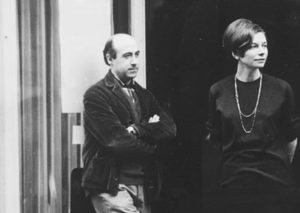
Das Atelier FANAL wurde 1966 von den Künstlern Marie-Thérèse Vacossin und Marcel Mazar [1926 – 2009] gegründet. Ursprünglich als Künstleratelier und Lehrstätte konzipiert, vermittelte Vacossin Grundlagen der Malerei mit Fokus auf Komposition, reine Formen, Harmonie und Farbgestaltung, während Mazar Töpferkurse anbot. Bald darauf richtete Mazar, der auch Lithograf war, das Atelier für Druckgrafik ein und legte damit den Grundstein für die späteren grafischen Aktivitäten von FANAL. Zunächst für eigene Projekte genutzt, kamen später auch Auftragsarbeiten für andere Künstler hinzu. Die Idee, das Atelier für Druckgrafik um eigene Editionen zu erweitern, stammte von André Schweizer und wurde von Vacossin und Mazar kurz nach der Begegnung mit Jean Gorin im Jahr 1978 aufgegriffen. Die Zusammenarbeit mit diesem gab dem Vorhaben eine klare Gestalt: Gorin unterstützte das Projekt massgeblich und prägte dessen künstlerische Ausrichtung.
Bereits 1979 erschien das Künstlerbuch Ecrits et 3 sérigraphies von Jean Gorin. Es markierte den Beginn der Editions FANAL und bestimmte zugleich den Fokus auf die konstruktive Kunst – eine Kunstform, die auf geometrischer Strenge, Klarheit und einer hohen Sensibilität für Form und Farbe beruht. FANAL verstand sich als Ort der künstlerischen Zusammenarbeit zwischen Kunstschaffenden und Druckfachleuten. Diese enge Kooperation ermöglichte es, die technischen und ästhetischen Möglichkeiten der Serigraphie und Radierung experimentell zu erkunden. Die Produktion blieb bewusst limitiert, um den exklusiven Charakter der Arbeiten zu bewahren.
In den 45 Jahren der Editionstätigkeit wurden die Werke von 88 Künstlerinnen und Künstlern der Gegenwart herausgegeben. Es waren Serigraphien, Radierungen und Künstlerbücher in kleinen, sorgfältig edierten Auflagen. Von Beginn an folgte die Edition einer klaren Linie: der konstruktiven Kunst. Diese Kunstform weist alles zurück, was die Strenge der Konstruktion beeinträchtigen könnte. Ein Werk kann sich daher nur auf sich selbst beziehen, und zwar durch die Eigenschaften seiner eigenen Elemente. Die zahlreichen Begegnungen und Kooperationen haben FANAL im Laufe der Jahre in dieser Haltung stets bestärkt. Die Werkstätten befanden sich in den Dachräumen einer ehemaligen Papiermühle mit rund 500 m² Fläche. Dort standen Arbeitsräume für Serigraphie und Radierung zur Verfügung sowie ein Ausstellungsbereich, in dem die Künstler der Edition FANAL ihre Originalwerke präsentieren konnten.
Aus Texten der Edition FANAL und Gesprächen. Überarbeitet von Francesco Camponovo
Atelier et Editions FANAL – Bâle
L’Atelier FANAL a été fondé en 1966 par les artistes Marie-Thérèse Vacossin et Marcel Mazar [1926–2009]. Conçu à l’origine comme un atelier d’artistes et un lieu d’enseignement, Vacossin y transmet les bases de la peinture en mettant l’accent sur la composition, les formes pures, l’harmonie et le travail de la couleur, tandis que Mazar proposait des cours de poterie. Peu après, ce dernier, qui était également lithographe, met en place l’atelier de gravure, posant ainsi les bases des activités graphiques ultérieures de FANAL. D’abord utilisé pour des projets personnels, l’atelier s’ouvre progressivement à des commandes d’autres artistes. L’idée de créer une édition propre revient à André Schweizer, qui encourage Vacossin et Mazar à étendre leur activité d’impression à une pratique éditoriale. Un tournant décisif survient peu après avec la rencontre de Jean Gorin en 1978. La collaboration avec lui donna une forme claire au projet : Gorin soutient le projet de manière déterminante et en marqua l’orientation artistique.
Dès 1979 parut le livre d’artiste Ecrits et 3 sérigraphies de Jean Gorin. Cette publication marque le début des Éditions FANAL et en définit l’orientation vers l’art construit — une forme artistique fondée sur la rigueur géométrique, la clarté et une grande sensibilité à la forme et à la couleur. FANAL se voulait un lieu de collaboration entre artistes et imprimeurs spécialisés. Cette coopération étroite a permis d’explorer de manière expérimentale les possibilités techniques et esthétiques de la sérigraphie et de la gravure. La production est restée délibérément limitée afin de préserver le caractère exclusif des œuvres.
Au cours de ses 45 années d’activité éditoriale, l’atelier a produit des œuvres de 88 artistes contemporains. Il s’agissait de sérigraphies, de gravures et de livres d’artistes, réalisés en petits tirages soigneusement exécutés. Dès le début, les éditions ont suivi une ligne directrice claire, l‘art construit. Cet art où tout ce qui pourrait nuire à la rigueur de la construction est rejeté. Dès lors l‘oeuvre ne peu que se renvoyer qu‘à elle-même, par les caractères de ses propres éléments. Les nombreuses rencontres et collaborations au fil des ans n’ont cessé de conforter FANAL dans cette démarche. Les ateliers étaient installés dans les combles un ancien moulin à papier sur une surface d’environ 500 m². On y trouvait des espaces de travail dédiés à la sérigraphie et à la gravure, ainsi qu’un espace d’exposition permettant aux artistes des Editions de présenter leurs œuvres originales.
À partir de textes des Edition FANAL et de conversations. Rielaboré par Francesco Camponovo
Atelier e Edizioni FANAL – Basilea
L’Atelier FANAL è stato fondato nel 1966 dagli artisti Marie-Thérèse Vacossin e Marcel Mazar (1926–2009). Creato originariamente come atelier d’artista e luogo di insegnamento, Vacossin vi trasmetteva le basi della pittura, con particolare attenzione alla composizione, alle forme pure, all’armonia e al lavoro sul colore, mentre Mazar teneva corsi di ceramica. Poco dopo, Mazar, che era anche litografo, istituì un laboratorio di stampa d’arte, ponendo così le basi per le future attività grafiche di Fanal. Inizialmente utilizzato per progetti propri, l’atelier accolse in seguito anche lavori su commissione per altri artisti. L’idea di fondare una propria edizione venne da André Schweizer, che incoraggiò Vacossin e Mazar ad ampliare l’attività di stampa con un’attività editoriale. Una svolta decisiva avvenne poco dopo con l’incontro con Jean Gorin nel 1978. La collaborazione con lui diede al progetto una forma chiara: Gorin sostenne in modo determinante l’iniziativa e ne influenzò l’orientamento artistico.
Già nel 1979 fu pubblicato il libro d’artista Ecrits et 3 sérigraphies di Jean Gorin. Esso segnò l’inizio delle Edizioni FANAL e ne definì al contempo l’orientamento verso l’arte costruttiva – un’ arte fondata sul rigore geometrico, sulla chiarezza e su un’elevata sensibilità per la forma e il colore. FANAL si concepiva come un luogo di collaborazione artistica tra artisti e stampatori specializzati. Questa stretta collaborazione rese possibile esplorare in modo sperimentale le possibilità tecniche ed estetiche della serigrafia e dell’acquaforte. La produzione fu volutamente mantenuta limitata per preservare il carattere esclusivo delle opere.
Nel corso di 45 anni di attività editoriale sono state realizzate opere di 88 artisti contemporanei. Sono state prodotte serigrafie, acqueforti e libri d’artista in tirature ridotte e realizzate con grande cura. Fin dall’inizio, l’Edizioni FANAL seguirono una linea chiara: l’arte costruttiva. Questa forma d’arte respinge tutto ciò che potrebbe compromettere il rigore della costruzione. Un’opera può quindi riferirsi solo a sé stessa, attraverso le proprietà dei propri elementi. I numerosi incontri e le collaborazioni nel corso degli anni hanno costantemente rafforzato FANAL in questo orientamento.
I laboratori erano situati nei sottotetti di un’antica cartiera, con una superficie di circa 500 m². Vi erano spazi di lavoro per la serigrafia e l’acquaforte, nonché un’area espositiva che permetteva agli artisti delle Edizioni FANAL di presentare le proprie opere originali.
Da testi dell’Edizione FANAL e conversazioni. Rielaborati da Francesco Camponovo
Atelier and Editions FANAL, Basel
The Atelier FANAL was founded in 1966 by the artists Marie-Thérèse Vacossin and Marcel Mazar. Originally conceived as an artists’ studio and teaching space, Vacossin taught the fundamentals of painting, focusing on composition, pure forms, harmony, and the use of colour, while Mazar offered pottery classes. Soon afterwards, Mazar, who was also a lithographer, established a printmaking workshop, thus laying the foundation for FANAL’s later graphic activities. Initially used for their own projects, the studio gradually took on commissioned work for other artists. The idea of founding an edition came from André Schweizer, who encouraged Vacossin and Mazar to expand their printing activities into publishing, which led to the idea of founding an edition. A decisive turning point came shortly afterwards through the encounter with Jean Gorin in 1978. Gorin played a key role in supporting the initiative and shaping its artistic direction.
As early as 1979, Jean Gorin’s artist’s book Ecrits et 3 sérigraphies was published. It marked the beginning of Editions FANAL and at the same time established its focus on constructive art – an art based on geometric rigour, clarity, and a high sensitivity to form and colour. FANAL understood itself as a place of artistic collaboration between artists and specialised printers. This close collaboration enabled the experimental exploration of the technical and aesthetic potential of screen printing and etching. Production was deliberately kept limited to preserve the exclusive character of the works.
Over 45 years of publishing activity, works by 88 contemporary artists were produced. Screen prints, etchings, and artists’ books were created in small, carefully executed editions. From the outset, the edition followed a clear line: constructive art. This art form rejects anything that might compromise the rigour of construction. A work can therefore refer only to itself, through the properties of its own elements. The numerous encounters and collaborations over the years consistently reinforced FANAL’s commitment to this approach. The workshops were located in the attic spaces of a former paper mill, covering an area of around 500 m². They provided working areas for screen printing and etching, as well as an exhibition space for original works by artists of Editions.
Based on texts from Editions FANAL and conversations. Redrafted by Francesco Camponovo
Atelier und Edition FANAL – Basel
Das Atelier FANAL wurde 1966 von den Künstlern Marie-Thérèse Vacossin und Marcel Mazar (1926–2009) gegründet. Ursprünglich als Künstleratelier und Lehrstätte konzipiert, vermittelte Vacossin Grundlagen der Malerei mit Fokus auf Komposition, Form, Harmonie und Farbe, während Mazar Töpferkurse anbot. Als Lithograf richtete er zudem ein Druckatelier ein, das den Grundstein für die späteren grafischen Aktivitäten von FANAL legte.
1978 entstand nach der Begegnung mit Jean Gorin die Idee, das Atelier um eine eigene Edition zu erweitern. Bereits 1979 erschien mit Écrits et 3 sérigraphies von Jean Gorin das erste Künstlerbuch von FANAL. Damit war zugleich die künstlerische Ausrichtung festgelegt: die konstruktive Kunst mit ihrer geometrischen Klarheit sowie eine hohe Sensibilität für Form und Farbe.
FANAL verstand sich als Ort enger Zusammenarbeit zwischen Künstlern und Druckfachleuten. In den Werkstätten wurden die Möglichkeiten von Serigrafie und Radierung experimentell ausgelotet; die Auflagen blieben bewusst klein und sorgfältig ediert. In 45 Jahren Editionstätigkeit entstanden Werke von 88 zeitgenössischen Künstlerinnen und Künstlern. Die Werkstätten befanden sich in den Dachräumen einer ehemaligen Papiermühle mit rund 500 m² Fläche und umfassten Ateliers für Druckgrafik sowie einen Ausstellungsbereich für Originalwerke der Künstler der Edition.
Aus Texten der Edition FANAL und Gesprächen. Überarbeitet von Francesco Camponovo
Atelier et Editions FANAL – Bâle
L’atelier FANAL a été fondé en 1966 par les artistes Marie-Thérèse Vacossin et Marcel Mazar (1926–2009). Conçu à l’origine comme atelier d’artistes et lieu d’enseignement, Vacossin y transmettait les bases de la peinture, en mettant l’accent sur la composition, la forme, l’harmonie et la couleur, tandis que Mazar proposait des cours de céramique. En tant que lithographe, il mit également en place un atelier d’impression qui constitua le fondement des futures activités graphiques de FANAL.
En 1978, à la suite de la rencontre avec Jean Gorin, naquit l’idée d’élargir l’atelier par une maison d’édition propre. Dès 1979 parut Écrits et 3 sérigraphies de Jean Gorin, premier livre d’artiste de FANAL. L’orientation artistique était ainsi définie : l’art construit avec sa clarté géométrique, allié à une grande sensibilité pour la forme et la couleur.
FANAL se concevait comme un lieu d’étroite collaboration entre artistes et professionnels de l’impression. Dans les ateliers, les possibilités de la sérigraphie et de la gravure furent explorées de manière expérimentale ; les tirages restaient volontairement limités et soigneusement édités. En 45 années d’activité éditoriale, des œuvres de 88 artistes contemporains y furent réalisées. Les ateliers occupaient les combles d’un ancien moulin à papier d’environ 500 m² et comprenaient des espaces dédiés à l’estampe ainsi qu’un espace d’exposition pour les œuvres originales des artistes de l’édition.
À partir de textes des Edition FANAL et de conversations. Rielaboré par Francesco Camponovo
Atelier e Edizioni FANAL – Basilea
L’atelier FANAL fu fondato nel 1966 dagli artisti Marie-Thérèse Vacossin e Marcel Mazar (1926–2009). Creato originariamente come atelier artistico e luogo di insegnamento, Vacossin vi trasmetteva le basi della pittura con particolare attenzione alla composizione, alla forma, all’armonia e al colore, mentre Mazar teneva corsi di ceramica. In qualità di litografo, egli creò inoltre un laboratorio di stampa che pose le basi delle future attività grafiche di FANAL.
Nel 1978, dopo l’incontro con Jean Gorin, nacque l’idea di ampliare l’atelier con una propria casa editrice. Già nel 1979 apparve Écrits et 3 sérigraphies di Jean Gorin, il primo libro d’artista di FANAL. Si definì così anche l’orientamento artistico: l’arte costruttiva con la sua chiarezza geometrica, unita a una grande sensibilità per la forma e il colore.
FANAL si concepiva come luogo di stretta collaborazione tra artisti e professionisti della stampa. Nei laboratori venivano esplorate in modo sperimentale le possibilità della serigrafia e dell’acquaforte; le tirature restavano volutamente limitate e accuratamente edite. In 45 anni di attività editoriale furono realizzate opere di 88 artisti contemporanei. I laboratori si trovavano nei sottotetti di un’antica cartiera, su una superficie di circa 500 m², e comprendevano atelier per la grafica d’arte nonché uno spazio espositivo dedicato alle opere originali degli artisti dell’edizione.
Da testi dell’Edizione FANAL e conversazioni. Rielaborati da Francesco Camponovo
Atelier and Editions FANAL, Basel
L’atelier FANAL fu fondato nel 1966 dagli artisti Marie-Thérèse Vacossin e Marcel Mazar (1926–2009). Creato originariamente come atelier artistico e luogo di insegnamento, Vacossin vi trasmetteva le basi della pittura con particolare attenzione alla composizione, alla forma, all’armonia e al colore, mentre Mazar teneva corsi di ceramica. In qualità di litografo, egli creò inoltre un laboratorio di stampa che pose le basi delle future attività grafiche di FANAL.
Nel 1978, dopo l’incontro con Jean Gorin, nacque l’idea di ampliare l’atelier con una propria casa editrice. Già nel 1979 apparve Écrits et 3 sérigraphies di Jean Gorin, il primo libro d’artista di FANAL. Si definì così anche l’orientamento artistico: l’arte costruttiva con la sua chiarezza geometrica, unita a una grande sensibilità per la forma e il colore.
FANAL si concepiva come luogo di stretta collaborazione tra artisti e professionisti della stampa. Nei laboratori venivano esplorate in modo sperimentale le possibilità della serigrafia e dell’acquaforte; le tirature restavano volutamente limitate e accuratamente edite. In 45 anni di attività editoriale furono realizzate opere di 88 artisti contemporanei. I laboratori si trovavano nei sottotetti di un’antica cartiera, su una superficie di circa 500 m², e comprendevano atelier per la grafica d’arte nonché uno spazio espositivo dedicato alle opere originali degli artisti dell’edizione.
Based on texts from Editions FANAL and conversations. Redrafted by Francesco Camponovo